Buying a Las Vegas High-Rise Condo: The Complete Guide
Updated · By the Las Vegas Luxury Towers team
Buying a high-rise condo in Las Vegas is a different transaction than buying a single-family home in the suburbs. The buildings are financially complex, the financing rules are stricter, and Nevada law gives you a specific — and short — window to review the association’s documents. Here is how the process actually works, step by step.
Step 1: Decide what kind of building you want
Las Vegas towers fall into two broad categories, and the distinction drives everything else:
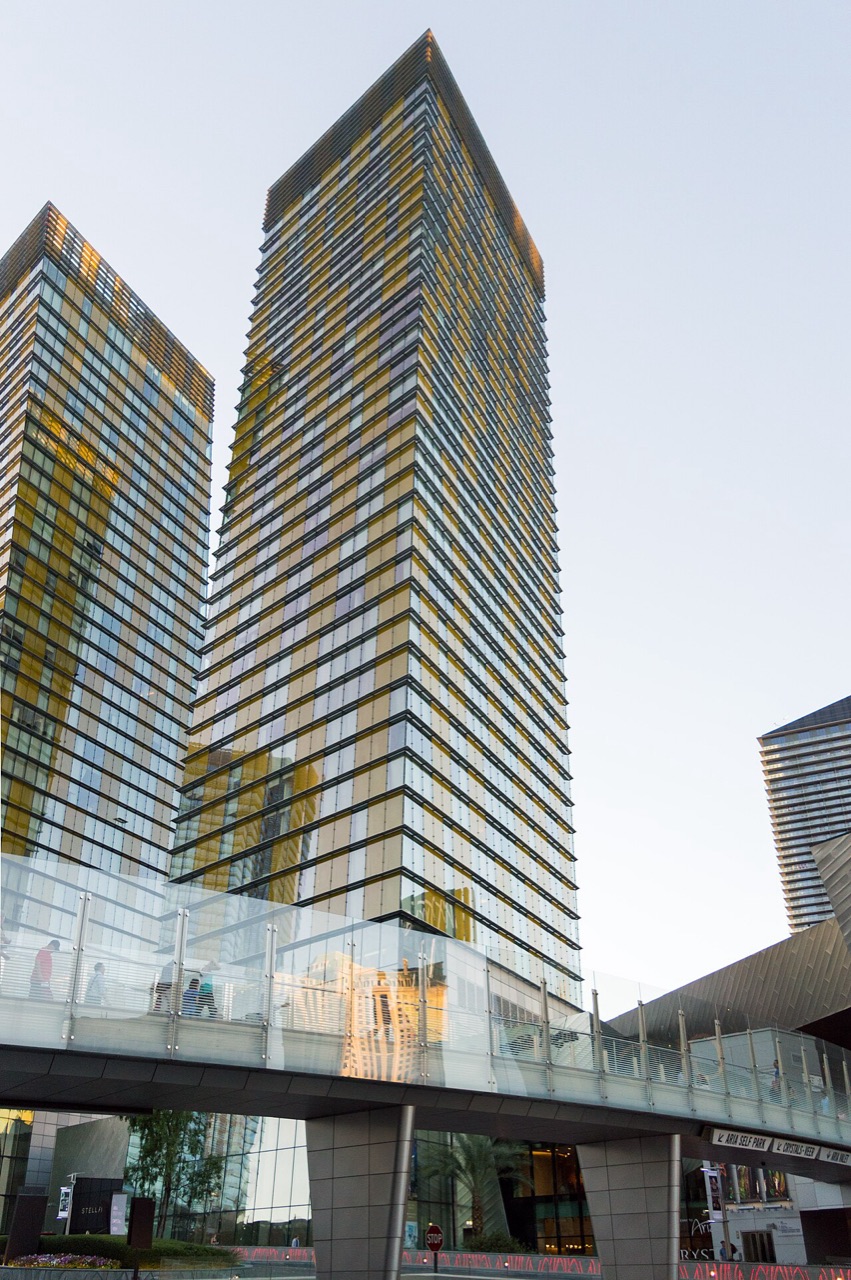
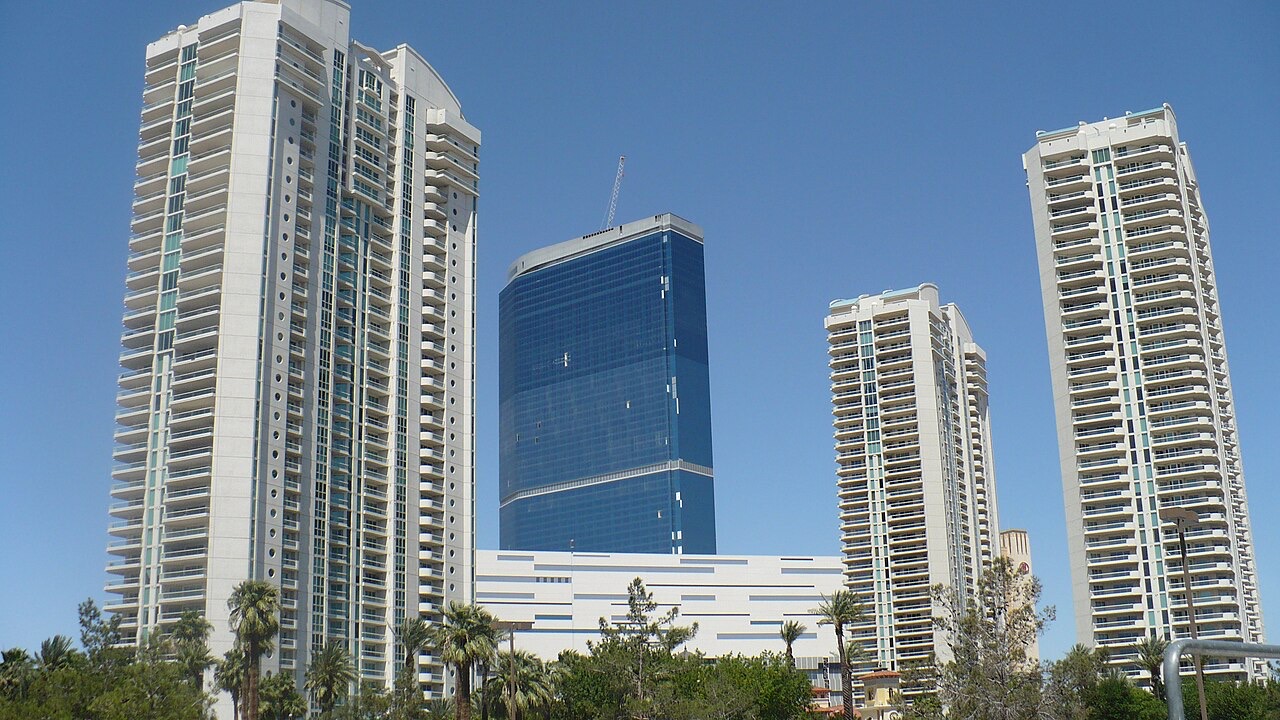
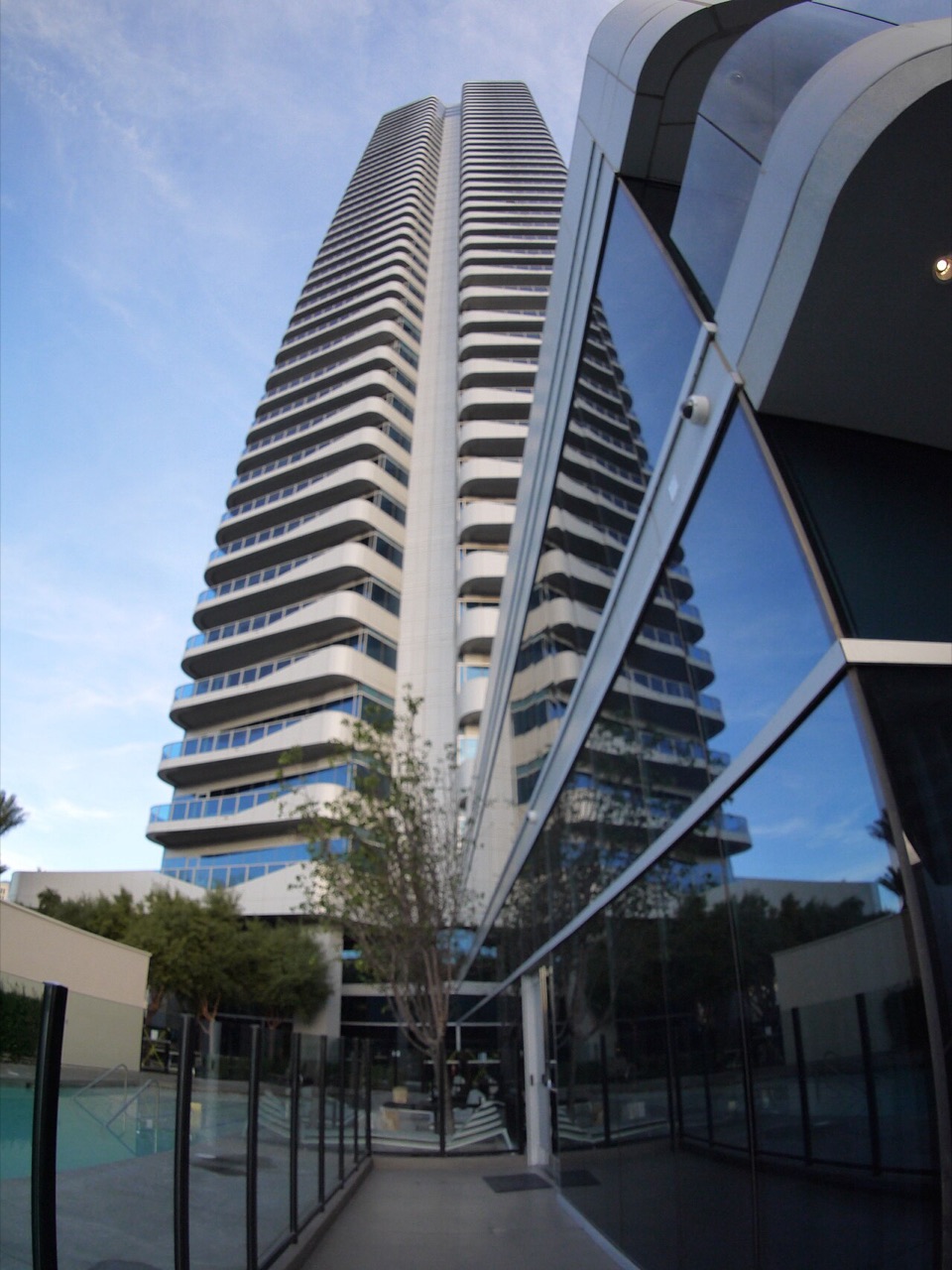
- Residential condominiums — buildings like Turnberry Place, One Queensridge Place, The Martin, Panorama Towers, and Veer Towers. You own a home in a residential association. Financing is more available, and the building operates for owners.
- Condo-hotels — buildings like The Signature at MGM Grand, Vdara, and Palms Place. Your unit sits inside a functioning hotel. Nightly rental programs may exist, but financing is limited, and hotel operations shape daily life.
If you plan to live in the unit full-time, a residential tower is almost always the better fit. Condo-hotels appeal mostly to buyers who want occasional use plus rental income — with the trade-offs that come with it.
Step 2: Line up financing early
This is where high-rise purchases most often stall. Many Las Vegas towers are non-warrantable, meaning they do not meet Fannie Mae or Freddie Mac guidelines — usually because of investor concentration, hotel operations, or pending litigation. A non-warrantable building means:
- Conventional 30-year loans may be unavailable or limited to certain lenders
- Portfolio and specialty lenders fill the gap, typically at slightly higher rates
- Down payments of roughly 20–30% (approximate; sometimes more) are common
- Condo-hotel units frequently require very large down payments or all cash
Ask your lender to review the specific building before you write an offer. Warrantability can change over time, so a building that financed easily two years ago may not today — and vice versa.
Step 3: Understand the monthly carrying cost
HOA dues in Las Vegas luxury towers commonly run in the $600–$1,500 per month range (approximate), and can go higher in full-service buildings with valet, 24-hour security, pools, spas, and concierge staff. Beyond dues, budget for:
- Property taxes (Nevada’s are moderate compared with coastal states)
- Insurance for your unit’s interior (an HO-6 policy)
- Any special assessments the association has approved
- Utilities not covered by the HOA — coverage varies widely by building
Nevada’s lack of a state income tax offsets a good portion of the carrying cost for many relocating buyers, but the monthly HOA figure deserves honest attention in your budget.
Step 4: Make the offer and open escrow
High-rise offers work like any Nevada residential purchase: offer, negotiation, acceptance, earnest money into escrow. Two condo-specific items to negotiate or confirm:
- Parking and storage — deeded spaces and storage cages are valuable and should be listed in the contract explicitly.
- Furnishings — many tower units sell furnished or partially furnished; put inclusions in writing.
Step 5: The resale package — your most important review
Nevada law (NRS 116) requires the seller to deliver a resale package containing the association’s CC&Rs, bylaws, rules, current budget, reserve study information, and any outstanding violations on the unit. Once you receive it, you have five calendar days to cancel the purchase for any reason and recover your deposit. That right cannot be waived.
Use those five days seriously. Look for:
- Reserve funding — a poorly funded reserve in a 40-story tower is a future special assessment. Elevators, roofs, and building systems are expensive.
- Rental restrictions — minimum lease terms, rental caps, and short-term rental prohibitions are common. If income potential matters to you, verify the rules in writing with the HOA.
- Pending litigation — construction-defect or other lawsuits can affect financing and resale.
- Pet, guest, and move-in rules — small print that shapes daily life.
What about SIDs and LIDs?
Some Las Vegas properties carry Special Improvement District or Local Improvement District assessments — bonds that funded infrastructure, repaid through the tax bill. Your title company will disclose any balance; you can often negotiate who pays it off.
Step 6: Inspection, appraisal, and closing
Yes, you should still inspect a condo. The inspector focuses on the unit’s interior systems — HVAC (often individual units on high floors), plumbing fixtures, windows and sliders, and appliances. Appraisals in towers rely heavily on in-building comparable sales, which is one reason unit values within the same tower can vary sharply by floor, view, and line.
At closing, expect standard Nevada escrow practices plus HOA transfer fees, capital contributions (some buildings charge new owners a one-time amount), and prorated dues.
A realistic timeline
- Weeks 1–2: Tour buildings, verify financing options per building
- Week 3: Offer and acceptance, open escrow, order resale package
- Weeks 3–4: Five-day resale package review, inspection, appraisal
- Weeks 5–6: Loan approval and closing
Cash buyers can compress this considerably. Financed buyers in non-warrantable buildings should pad the schedule and confirm their lender has closed loans in that specific tower before relying on the timeline.
The buyers who do well in this market are the ones who treat the building itself — its finances, rules, and operations — as carefully as they treat the unit. The view is what sells you; the resale package is what protects you.
Frequently Asked Questions
Do I need a bigger down payment for a Las Vegas high-rise condo?
Often, yes. Many towers are non-warrantable for conventional loans, and lenders may want roughly 20–30% down or more. Condo-hotels typically require even larger down payments or cash.
What is a resale package in Nevada?
Under NRS 116, sellers in a common-interest community must give buyers a resale package with the CC&Rs, bylaws, budget, and reserve information. Buyers then get five calendar days to cancel for any reason.
Does Nevada have a state income tax?
No. Nevada has no state income tax, which is one reason high-rise buyers relocate from California and other high-tax states.
What is the difference between a residential condo and a condo-hotel?
A residential condo is zoned and operated for living; a condo-hotel unit sits inside a hotel operation, often with rental programs, resort fees, and much tighter financing options.
How long does a high-rise condo purchase usually take to close?
A financed purchase commonly runs 30–45 days; cash can close faster. Add time for the resale package review and, in some buildings, lender review of the HOA's finances.