Las Vegas Condo HOA Fees Explained: What They Cover and What to Expect
Updated · By the Las Vegas Luxury Towers team
Sticker shock over HOA dues is the most common reaction from buyers new to Las Vegas high-rise living — especially those coming from single-family homes. But comparing a tower’s monthly fee to a suburban HOA misses what the number actually buys. Here is how these fees work, what they cover, and how to judge whether a building’s dues are healthy or a warning sign.
What you’re actually paying for
A high-rise is essentially a small vertical city, and the HOA fee is its operating budget divided among owners. In most Las Vegas luxury towers, dues typically cover:
- Staff — front desk, security (often 24/7), valet in many buildings, maintenance engineers, and management
- Building insurance — the master policy covering the structure and common areas (you still need your own HO-6 policy for the unit interior)
- Amenities — pools, spas, fitness centers, lounges, theaters, guest suites
- Common-area maintenance — elevators, HVAC plants, lobbies, landscaping, parking structures
- Some utilities — water, sewer, trash are commonly included; some buildings include cable or internet packages, and a few include chilled water for cooling
- Reserves — savings for future capital work
That last line matters more than any other, and we’ll come back to it.
Typical ranges in Las Vegas
For luxury towers, expect roughly $600–$1,500 per month (approximate) for most one- to three-bedroom units. The number scales with:
- Square footage — dues are usually allocated by unit size, so a penthouse pays multiples of a studio
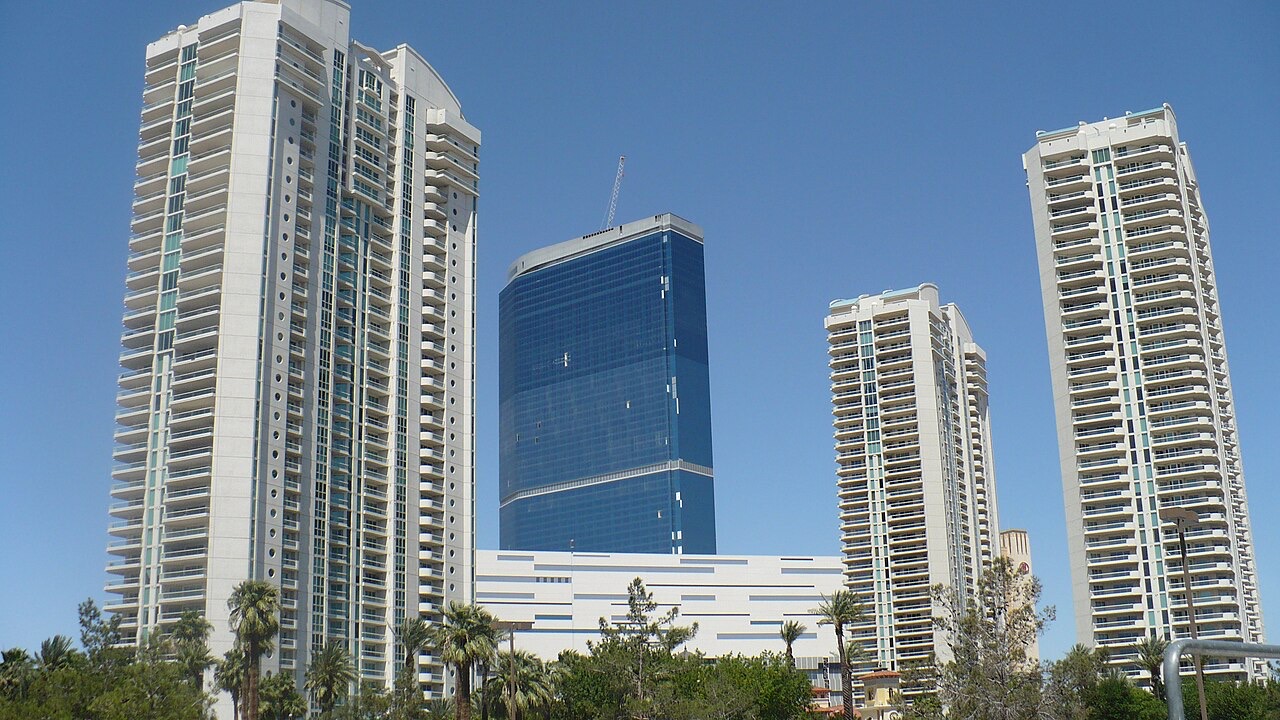
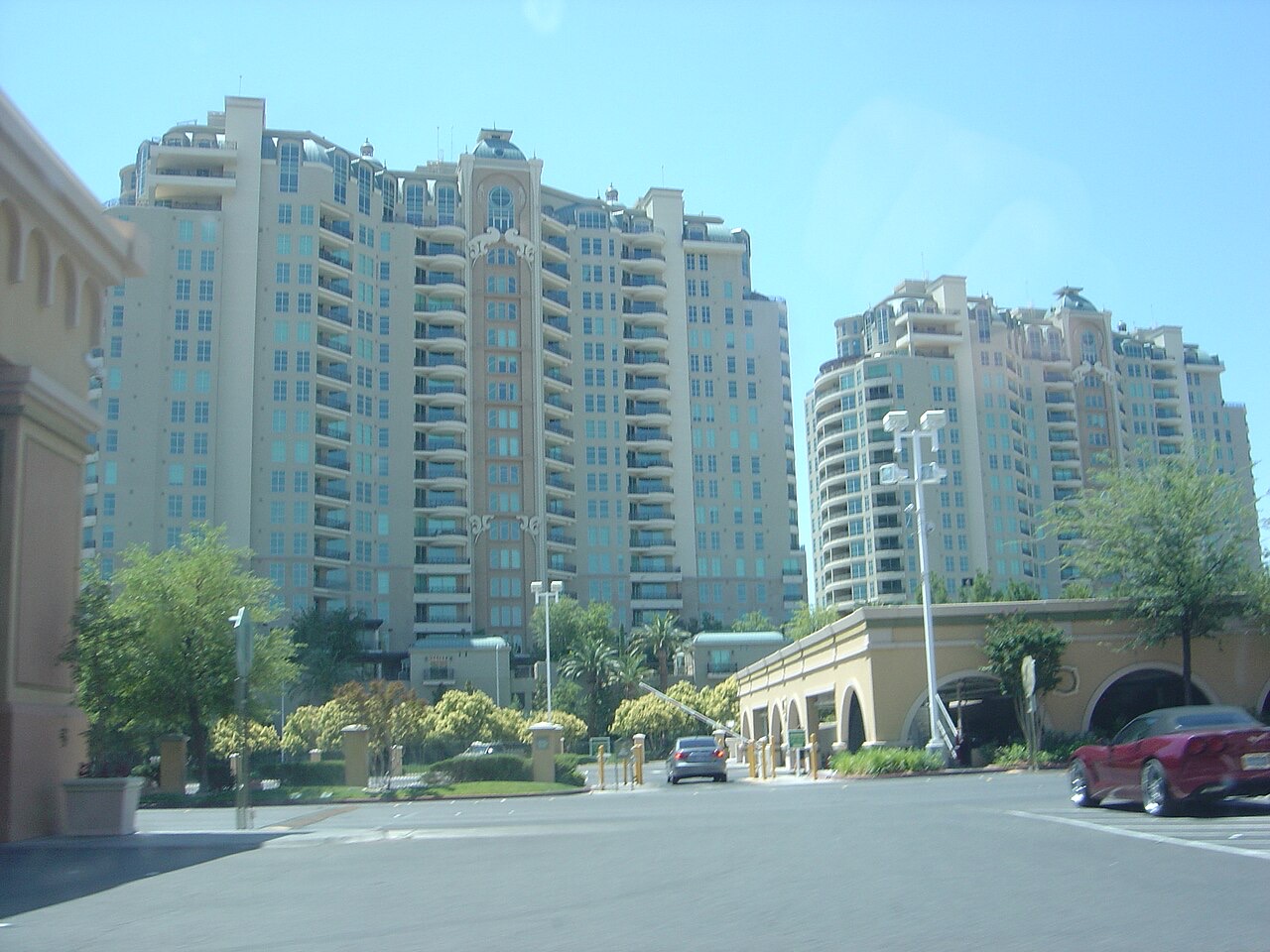
- Service level — buildings such as Turnberry Place or One Queensridge Place carry a full-service staff model, and dues reflect it; leaner buildings cost less
- Building age — older towers may spend more on maintenance, while newer ones are still building reserves
- Condo-hotel structures — hotel-condo units often carry separate fee structures and resort-related charges on top of standard dues
These are ranges, not quotes. The only accurate number is the current budget for the specific building, which you’ll receive in the resale package.
Included utilities change the math
Two buildings with identical dues are not equally priced if one includes utilities the other doesn’t. A tower that bundles water, trash, cable, and cooling into its fee may be cheaper in practice than a lower-fee building where you pay all of those separately. When comparing buildings, build a simple total-monthly-cost line: dues plus every utility and service you’d pay out of pocket.
Reserves: the part most buyers skip
Every well-run association maintains a reserve fund — savings earmarked for large, predictable expenses like elevator modernization, roofing, painting, and mechanical systems. Nevada associations are required to conduct reserve studies, and the results appear in the resale package.
Why it matters: in a high-rise, capital projects are enormous. If reserves are underfunded when a big project arrives, the board’s options are a special assessment (a one-time bill to every owner) or a loan repaid through higher dues. Either way, owners pay.
When you review the reserve study, look at the percent funded figure. There is no magic threshold, but strong funding suggests a board that plans ahead, while a weak number paired with an aging building deserves questions before you commit.
Low dues are not automatically good news
A building with dues noticeably below its peers may simply be efficient — or it may be deferring maintenance and underfunding reserves. Artificially low dues today often become special assessments tomorrow. Judge the fee against the budget and reserve study, not against your hopes.
Fees at purchase time
Beyond monthly dues, expect some one-time items at closing:
- Transfer fees — charged by the association or its management company to process the ownership change
- Capital contribution — some buildings collect a one-time payment from new owners (often expressed as a multiple of monthly dues) to bolster reserves
- Prorated dues — you reimburse the seller for the portion of the month you’ll own the unit
- Resale package cost — Nevada caps what associations can charge for the package itself
Who pays which item is negotiable in the purchase contract.
Red flags to check before you buy
Use the five-day resale package review period to look for:
- Underfunded reserves relative to the building’s age and upcoming projects
- A history of special assessments — one may be reasonable; a pattern suggests chronic underbudgeting
- High delinquency rates — if many owners aren’t paying dues, the paying owners carry the load, and financing can be affected
- Pending litigation — legal costs hit budgets, and lawsuits can make a building non-warrantable
- Rapid recent increases — insurance costs have risen across the market, but steep jumps deserve an explanation
If anything looks off, ask the management company directly. Boards that run healthy buildings are generally happy to explain their numbers; evasiveness is itself an answer.
The right way to think about the fee
HOA dues in a full-service tower replace a long list of costs a homeowner pays separately: exterior insurance, landscaping, pool maintenance, security, a gym membership, and the eventual roof. For many owners — particularly those splitting time between cities — paying one predictable monthly number for a locked-and-leave home is exactly the point. The goal isn’t finding the lowest fee. It’s finding a building whose fee honestly matches what it delivers and what it’s saving for.
Frequently Asked Questions
How much are HOA fees in Las Vegas high-rises?
Most luxury towers run roughly $600–$1,500 per month depending on unit size and amenities. Full-service buildings with valet, concierge, and extensive staff can exceed that range.
What do high-rise HOA fees usually include?
Typically building insurance, security, common-area maintenance, amenities, reserves, and often some utilities such as water, trash, or basic cable. Coverage varies by building, so confirm the exact list.
Are HOA fees negotiable when buying a condo?
No — dues are set by the association's budget and apply to every owner. What you can negotiate is who pays transfer fees, capital contributions, or any outstanding assessments at closing.
What is a special assessment?
A one-time charge levied on owners when reserves can't cover a major expense, such as elevator modernization or facade work. Reviewing the reserve study before buying is the best way to gauge that risk.
Can HOA fees go up after I buy?
Yes. Boards adjust dues as insurance, labor, and utility costs change. Modest annual increases are normal; review budget history in the resale package for the trend.