Short-Term Rental (Airbnb) Rules in Las Vegas High-Rises
Updated · By the Las Vegas Luxury Towers team
If your plan for a Las Vegas high-rise involves Airbnb income, this guide will save you an expensive mistake. Short-term rentals face two separate walls in Las Vegas towers — government licensing and HOA prohibitions — and for most buildings, the second wall alone ends the conversation.
The rule that matters most: your HOA’s
Before any discussion of county or city licensing, understand this: the overwhelming majority of residential high-rise associations in Las Vegas prohibit short-term rentals outright in their CC&Rs. Common versions of the rule include minimum lease terms of 30 days, six months, or even a year, along with caps on how many units may be rented at all.
A government license cannot override a private CC&R restriction. Even in the rare case where you could obtain a permit, the HOA prohibition still applies, and associations enforce these rules aggressively — towers with front desks and controlled elevator access notice strangers with suitcases. Violations typically bring escalating fines and, if needed, legal action.
Every building’s rules differ, and rules change through owner votes. Before buying with any rental plan, short or long term, get the current leasing rules in writing from the HOA as part of your resale package review.
Two governments, two rulebooks
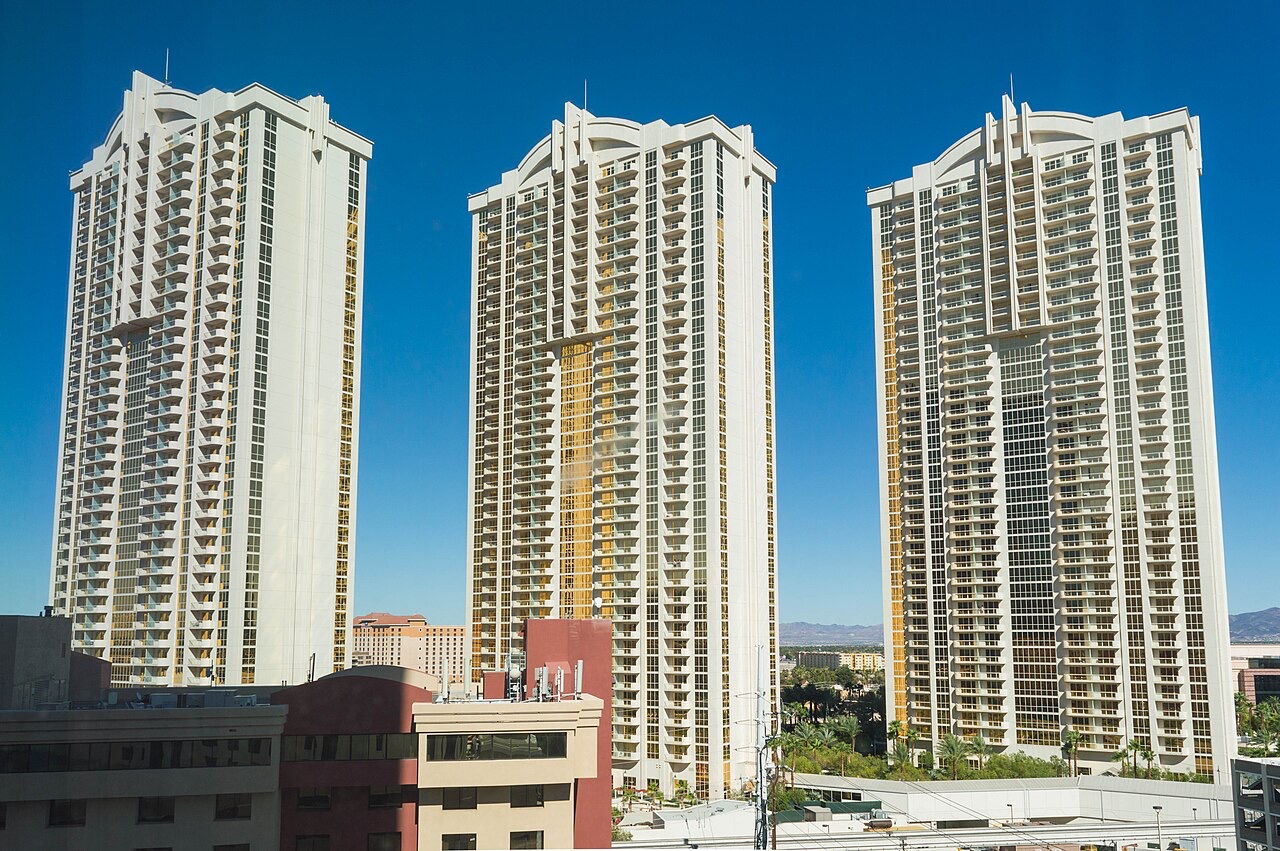
Las Vegas geography confuses newcomers: the Strip is not in the City of Las Vegas. Most of the resort corridor — and towers like Sky Las Vegas, Allure, The Signature at MGM Grand, and Panorama Towers — sits in unincorporated Clark County. Downtown buildings like Juhl, The Ogden, and Soho Lofts are inside city limits. Different jurisdictions, different licensing programs.
Clark County
Following Nevada’s 2021 state law (AB 363) that forced the county to permit licensing, Clark County built one of the more restrictive regimes in the country: a lottery-based application system, distance separation requirements between rentals, owner and insurance requirements, and — critically for tower buyers — a condominium rule requiring that the governing documents expressly permit short-term rental and that no more than a small share of the building operate as rentals. In practice, very few licenses have been issued relative to the thousands of listings operating in the county.
The county’s enforcement scheme has also been tangled in federal litigation, with court orders in late 2025 limiting enforcement of several provisions while the case proceeds. The honest summary: the county rules are restrictive and in legal flux — and none of that flux touches HOA prohibitions. Verify the current status directly with Clark County before making any decision that depends on it.
City of Las Vegas
The city runs its own short-term rental licensing program with its own requirements, including separation distances and operational rules. Downtown loft buildings fall under this program — but again, the building’s CC&Rs govern first, and most downtown associations restrict short leases as well.
The legal path to nightly income: condo-hotels
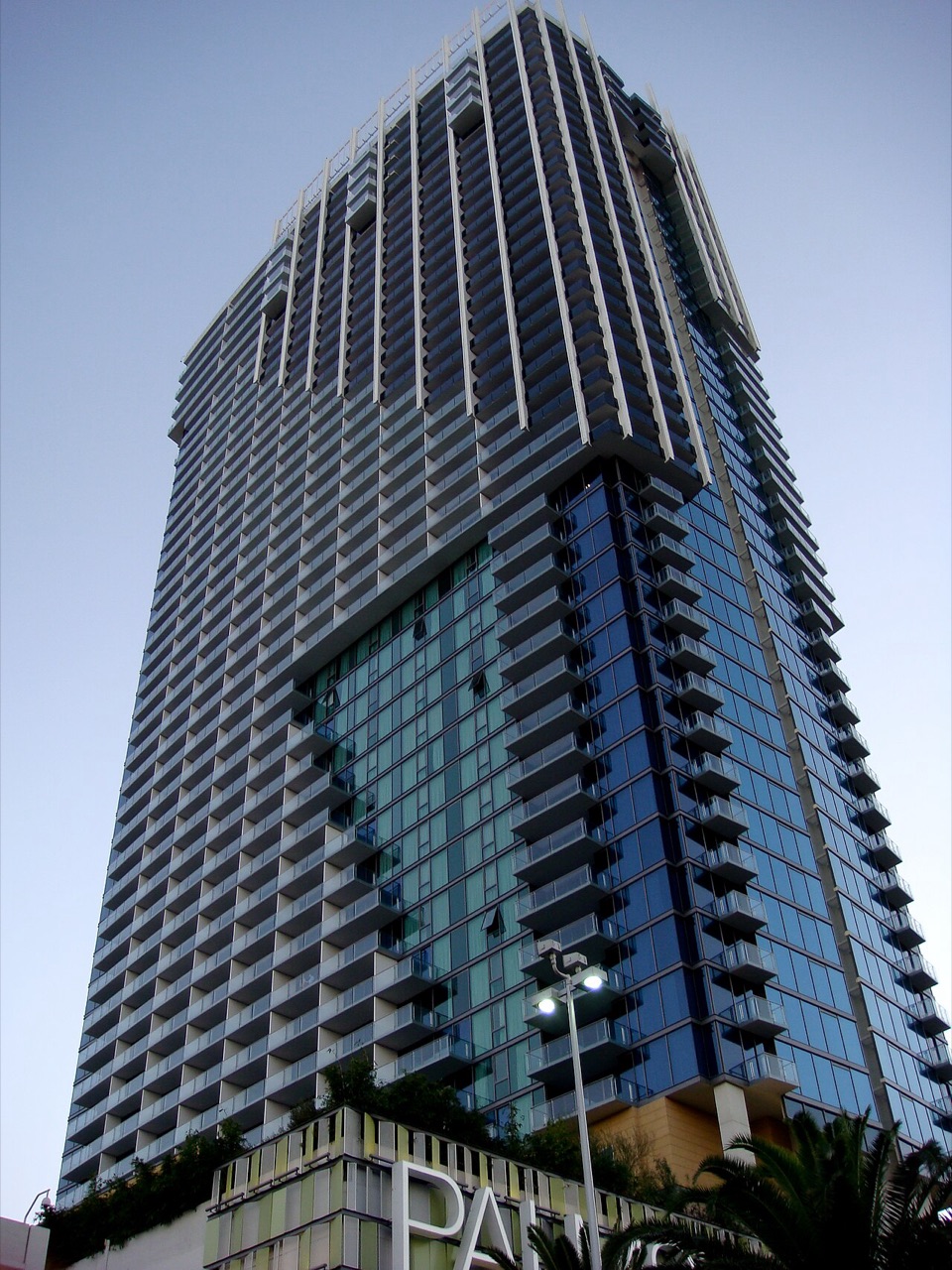
Las Vegas does offer a fully legitimate way to own a unit that rents by the night: the condo-hotel. Buildings such as The Signature at MGM Grand, Vdara, and Palms Place were designed as hotel operations with individually owned units. Owners can typically place units into the building’s rental program (or, in some buildings, use approved third-party managers), and the hotel handles bookings, housekeeping, and guests.
This model is legal because the building is licensed and operated as a hotel — you are not sneaking travelers past a residential front desk. But understand the economics before romanticizing them:
- Revenue splits — the operator keeps a substantial share of rental income
- Fees — expect program fees, furnishing standards, and ongoing charges alongside HOA dues
- Financing — condo-hotel units are non-warrantable; expect large down payments or cash
- Use restrictions — some programs limit how many nights owners may occupy their own unit
Run the numbers on net income after all splits and fees, not the gross nightly rate. Many owners find these units work better as partially offset vacation homes than as pure investments.
What tower owners can usually do instead
If nightly rental is off the table, most residential towers still allow:
- Long-term leases — commonly 6- or 12-month minimums, subject to building rules and any rental caps
- 30-day-plus furnished rentals — in buildings with 30-day minimums, the corporate and medical-professional rental market can be a middle path
- Personal and family use — locked-and-leave second-home ownership is what these buildings were built for
The bottom line
Buy a residential high-rise for living or long-term leasing, and buy a condo-hotel if nightly income is genuinely the goal. What does not work is buying a residential tower unit and hoping to Airbnb it — the HOA will stop you even where the government wouldn’t. When in doubt, ask the association in writing and read the CC&Rs during your five-day resale package review; that is exactly what the review period exists for.
Frequently Asked Questions
Can I Airbnb my Las Vegas high-rise condo?
Almost certainly not. Most residential tower HOAs prohibit rentals under 30 days or six months in their CC&Rs, and that prohibition applies regardless of any government license.
What is the difference between Clark County and City of Las Vegas short-term rental rules?
They are separate jurisdictions with separate licensing programs. The Strip corridor is in unincorporated Clark County, which runs a restrictive lottery-based system; Downtown is in the city, which has its own permit process.
How can I legally rent my Vegas unit to visitors by the night?
Through a condo-hotel with an established rental program, such as units at The Signature at MGM Grand, Vdara, or Palms Place, where nightly rental is part of the building's design.
What happens if I run an unlicensed short-term rental?
You risk fines from the jurisdiction plus HOA violations, which can include fines and legal action from the association. Enforcement rules have been in litigation, but HOA prohibitions are unaffected by that.
Do condo-hotel rental programs make good investments?
They generate revenue but carry heavy costs — revenue splits with the operator, resort fees, and difficult financing. Model the net number carefully rather than the gross nightly rate.
Can my HOA change its rental rules after I buy?
Associations can amend CC&Rs through owner votes, so rules can tighten or loosen over time. Never buy a unit whose investment case depends on rental rules staying exactly as they are.